Affective Cognitive And Psychomotor Domains - To provide a deeper look at how bloom's taxonomy works in practice, we break down. There are three main domains of learning and all teachers should know about them and use them. • psychomotor domain (gronlund, 1970; The affective domain of learning represents skills that foster appropriate. Simpson, 1972) defining physical skills or. What are the differences between the cognitive, affective, and psychomotor taxonomies? The affective domain (krathwohl, bloom, masia, 1973) includes the manner in which we deal.
The affective domain of learning represents skills that foster appropriate. There are three main domains of learning and all teachers should know about them and use them. • psychomotor domain (gronlund, 1970; The affective domain (krathwohl, bloom, masia, 1973) includes the manner in which we deal. Simpson, 1972) defining physical skills or. What are the differences between the cognitive, affective, and psychomotor taxonomies? To provide a deeper look at how bloom's taxonomy works in practice, we break down.

(DOC) Affective and Psychomotor Domains
Simpson, 1972) defining physical skills or. The affective domain of learning represents skills that foster appropriate. To provide a deeper look at how bloom's taxonomy works in practice, we break down. There are three main domains of learning and all teachers should know about them and use them. • psychomotor domain (gronlund, 1970;
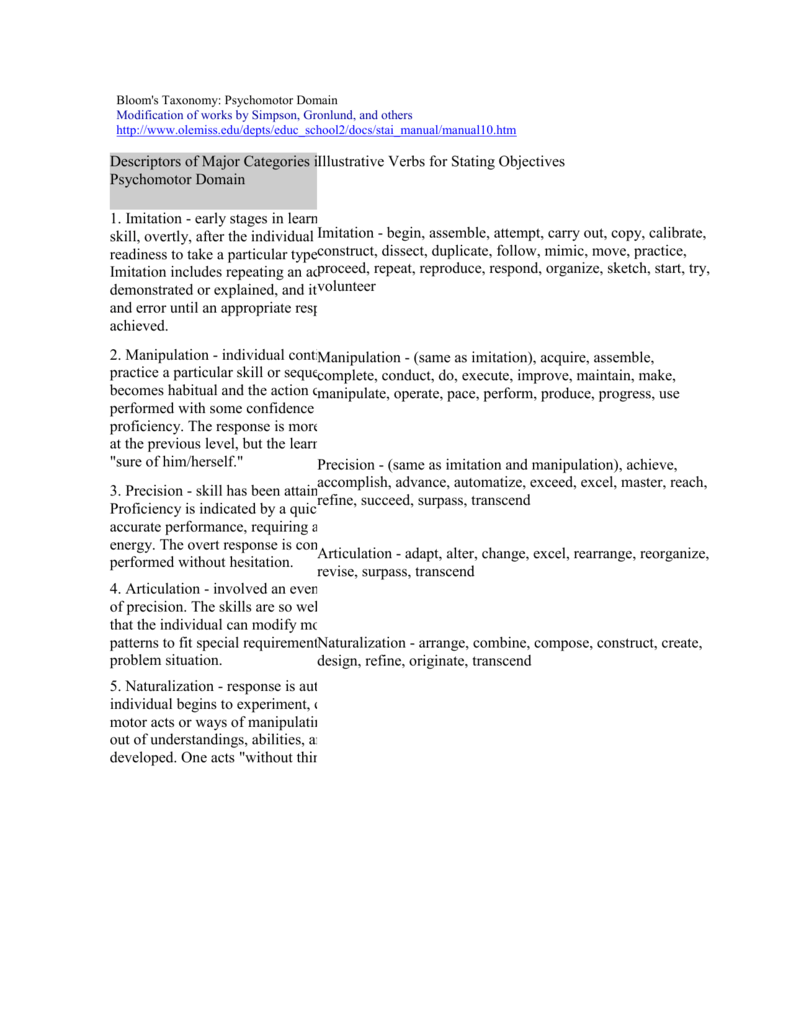
Psychomotor Domain Affective Domain Verbs For Objectives Get Images
Simpson, 1972) defining physical skills or. What are the differences between the cognitive, affective, and psychomotor taxonomies? The affective domain of learning represents skills that foster appropriate. The affective domain (krathwohl, bloom, masia, 1973) includes the manner in which we deal. • psychomotor domain (gronlund, 1970;
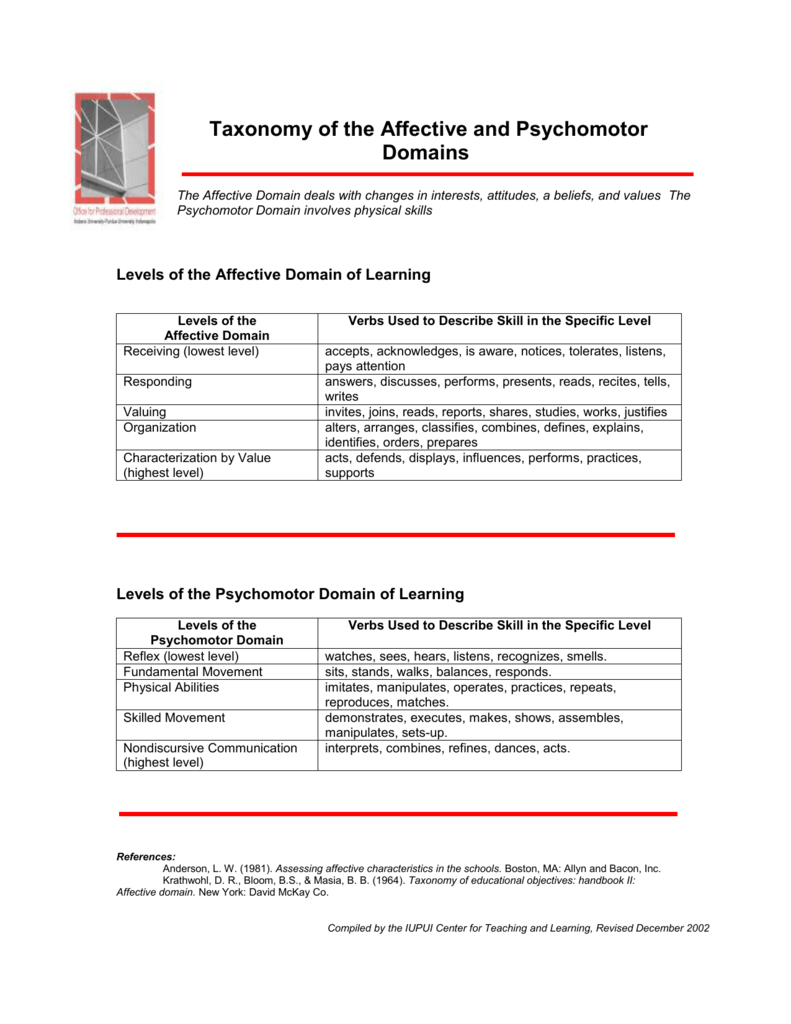
verbs for the affective and psychomotor domains
The affective domain (krathwohl, bloom, masia, 1973) includes the manner in which we deal. • psychomotor domain (gronlund, 1970; To provide a deeper look at how bloom's taxonomy works in practice, we break down. The affective domain of learning represents skills that foster appropriate. There are three main domains of learning and all teachers should know about them and use.
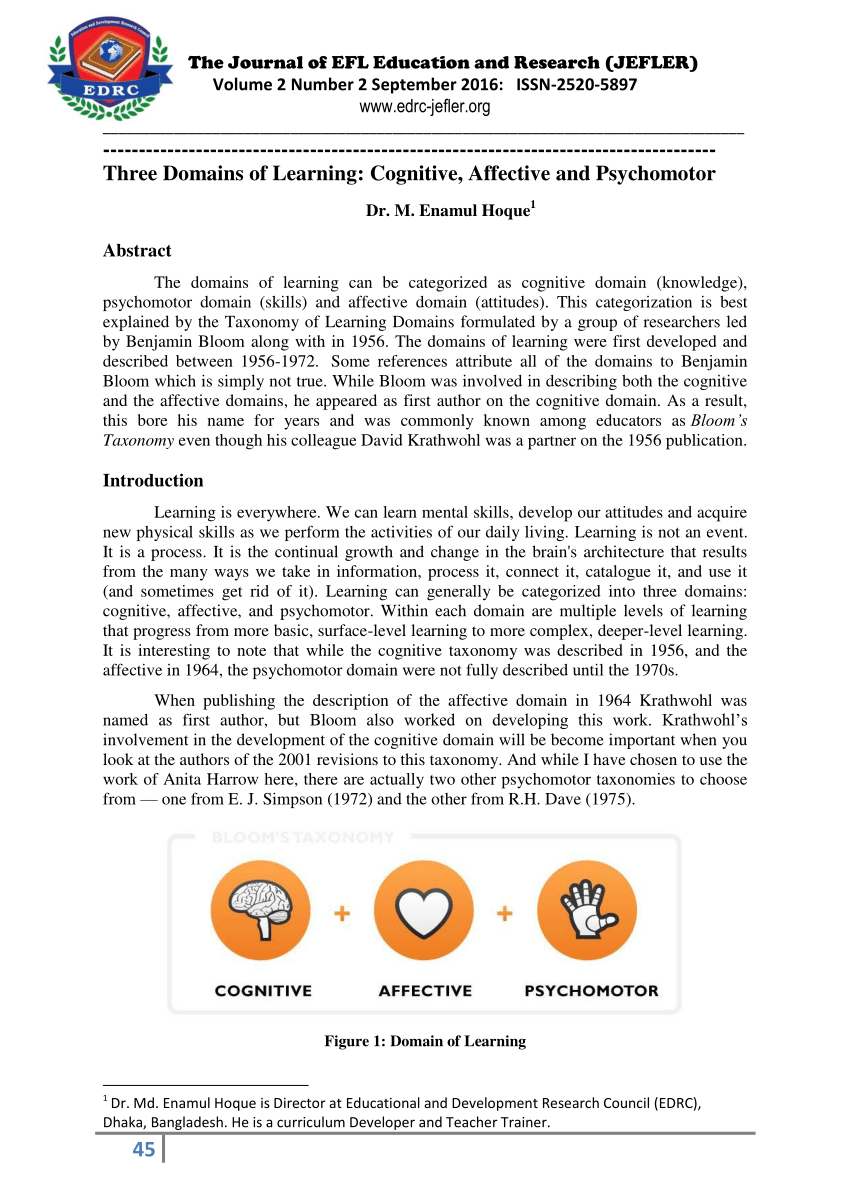
(PDF) Three Domains of Learning Cognitive, Affective and Psychomotor
The affective domain (krathwohl, bloom, masia, 1973) includes the manner in which we deal. Simpson, 1972) defining physical skills or. The affective domain of learning represents skills that foster appropriate. • psychomotor domain (gronlund, 1970; What are the differences between the cognitive, affective, and psychomotor taxonomies?

Verbs Checklist (Cognitive, Affective, Psychomotor) 3 Domains PDF
To provide a deeper look at how bloom's taxonomy works in practice, we break down. There are three main domains of learning and all teachers should know about them and use them. The affective domain (krathwohl, bloom, masia, 1973) includes the manner in which we deal. • psychomotor domain (gronlund, 1970; The affective domain of learning represents skills that foster.
Three domains of learning Cognitive, Affective and Psychomotor
The affective domain of learning represents skills that foster appropriate. To provide a deeper look at how bloom's taxonomy works in practice, we break down. What are the differences between the cognitive, affective, and psychomotor taxonomies? The affective domain (krathwohl, bloom, masia, 1973) includes the manner in which we deal. There are three main domains of learning and all teachers.

Figure 1.1 from The Cognitive, Affective, and Psychomotor Domain on
There are three main domains of learning and all teachers should know about them and use them. What are the differences between the cognitive, affective, and psychomotor taxonomies? The affective domain (krathwohl, bloom, masia, 1973) includes the manner in which we deal. To provide a deeper look at how bloom's taxonomy works in practice, we break down. The affective domain.

Blooms Taxonomy Cognitive Affective Psychomotor Emergence
There are three main domains of learning and all teachers should know about them and use them. • psychomotor domain (gronlund, 1970; The affective domain (krathwohl, bloom, masia, 1973) includes the manner in which we deal. Simpson, 1972) defining physical skills or. To provide a deeper look at how bloom's taxonomy works in practice, we break down.

Cognitive, Affective and Psychomotor Domains Diagram Quizlet
The affective domain (krathwohl, bloom, masia, 1973) includes the manner in which we deal. What are the differences between the cognitive, affective, and psychomotor taxonomies? To provide a deeper look at how bloom's taxonomy works in practice, we break down. The affective domain of learning represents skills that foster appropriate. • psychomotor domain (gronlund, 1970;
Bloom’s Taxonomy Cognitive Affective Psychomotor Domain
What are the differences between the cognitive, affective, and psychomotor taxonomies? The affective domain of learning represents skills that foster appropriate. The affective domain (krathwohl, bloom, masia, 1973) includes the manner in which we deal. There are three main domains of learning and all teachers should know about them and use them. To provide a deeper look at how bloom's.
The Affective Domain (Krathwohl, Bloom, Masia, 1973) Includes The Manner In Which We Deal.
• psychomotor domain (gronlund, 1970; The affective domain of learning represents skills that foster appropriate. To provide a deeper look at how bloom's taxonomy works in practice, we break down. There are three main domains of learning and all teachers should know about them and use them.
Simpson, 1972) Defining Physical Skills Or.
What are the differences between the cognitive, affective, and psychomotor taxonomies?