Do Both Parents Have To Be Carriers For Hemochromatosis - What happens when both parents are carriers for genetic haemochromatosis? Who in the family is at risk of hereditary haemochromatosis? People with hh have a change in both copies of their hfe gene. If both parents are carriers. Brothers and sisters have a 1 in 4 (25%) chance of being affected only if both parents are carriers. If two parents are silent carriers, each child has a 25 percent chance of inheriting two copies of the defective gene, and will most. To develop gh you have to inherit a defective gene or genes from your parents. This can happen in three ways. Each of your siblings and. When both parents are carriers there is a 1 in 4 (or 25%) risk that.
When both parents are carriers there is a 1 in 4 (or 25%) risk that. If both parents are carriers. People with hh have a change in both copies of their hfe gene. Each of your siblings and. What happens when both parents are carriers for genetic haemochromatosis? Brothers and sisters have a 1 in 4 (25%) chance of being affected only if both parents are carriers. If two parents are silent carriers, each child has a 25 percent chance of inheriting two copies of the defective gene, and will most. To develop gh you have to inherit a defective gene or genes from your parents. Who in the family is at risk of hereditary haemochromatosis? This can happen in three ways.

Controversy Can Hemochromatosis Carriers overload Iron YouTube
Who in the family is at risk of hereditary haemochromatosis? Brothers and sisters have a 1 in 4 (25%) chance of being affected only if both parents are carriers. People with hh have a change in both copies of their hfe gene. If two parents are silent carriers, each child has a 25 percent chance of inheriting two copies of.

Hemolytic Anemias Part 4 G6PD Deficiency; Pathophysiology,Morphology
When both parents are carriers there is a 1 in 4 (or 25%) risk that. If both parents are carriers. This can happen in three ways. What happens when both parents are carriers for genetic haemochromatosis? Who in the family is at risk of hereditary haemochromatosis?

Carriers of Sickle Cell
Brothers and sisters have a 1 in 4 (25%) chance of being affected only if both parents are carriers. This can happen in three ways. People with hh have a change in both copies of their hfe gene. What happens when both parents are carriers for genetic haemochromatosis? If two parents are silent carriers, each child has a 25 percent.
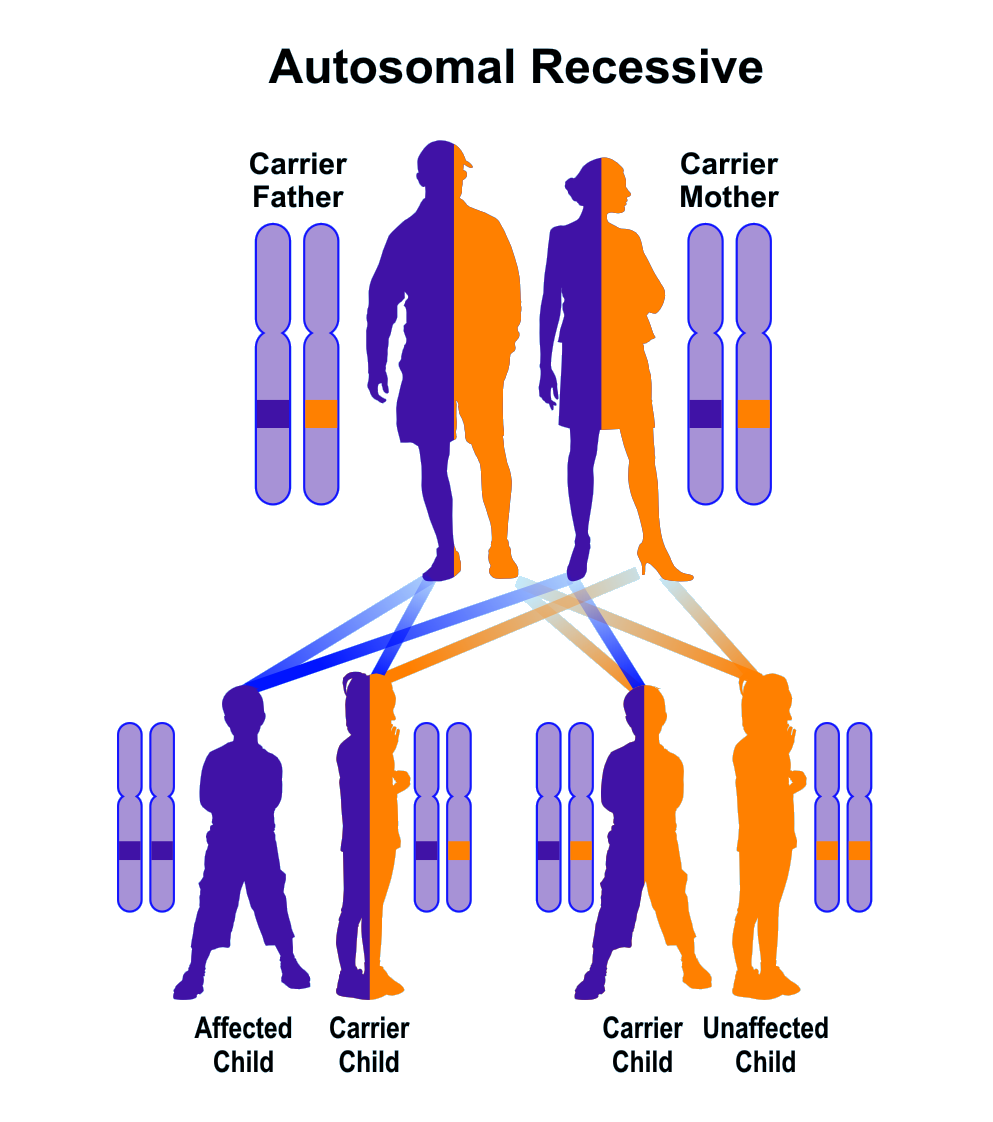
Peters Anomaly Hereditary Ocular Diseases
What happens when both parents are carriers for genetic haemochromatosis? Brothers and sisters have a 1 in 4 (25%) chance of being affected only if both parents are carriers. People with hh have a change in both copies of their hfe gene. If both parents are carriers. This can happen in three ways.
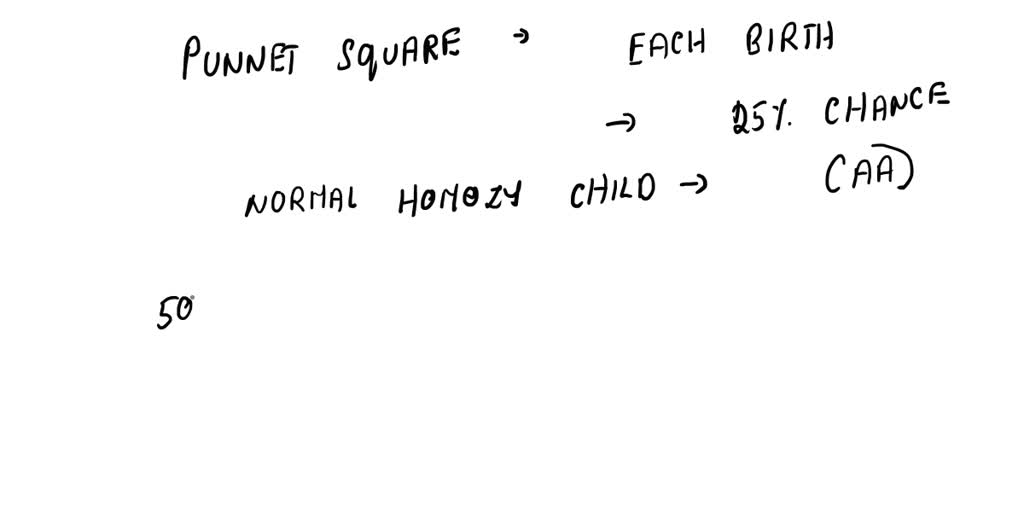
SOLVED 6. Hemochromatosis is an inherited disease caused by a
Each of your siblings and. When both parents are carriers there is a 1 in 4 (or 25%) risk that. If both parents are carriers. People with hh have a change in both copies of their hfe gene. To develop gh you have to inherit a defective gene or genes from your parents.

Brothers and sisters have a 1 in 4 (25%) chance of being affected only if both parents are carriers. Each of your siblings and. People with hh have a change in both copies of their hfe gene. To develop gh you have to inherit a defective gene or genes from your parents. If both parents are carriers.
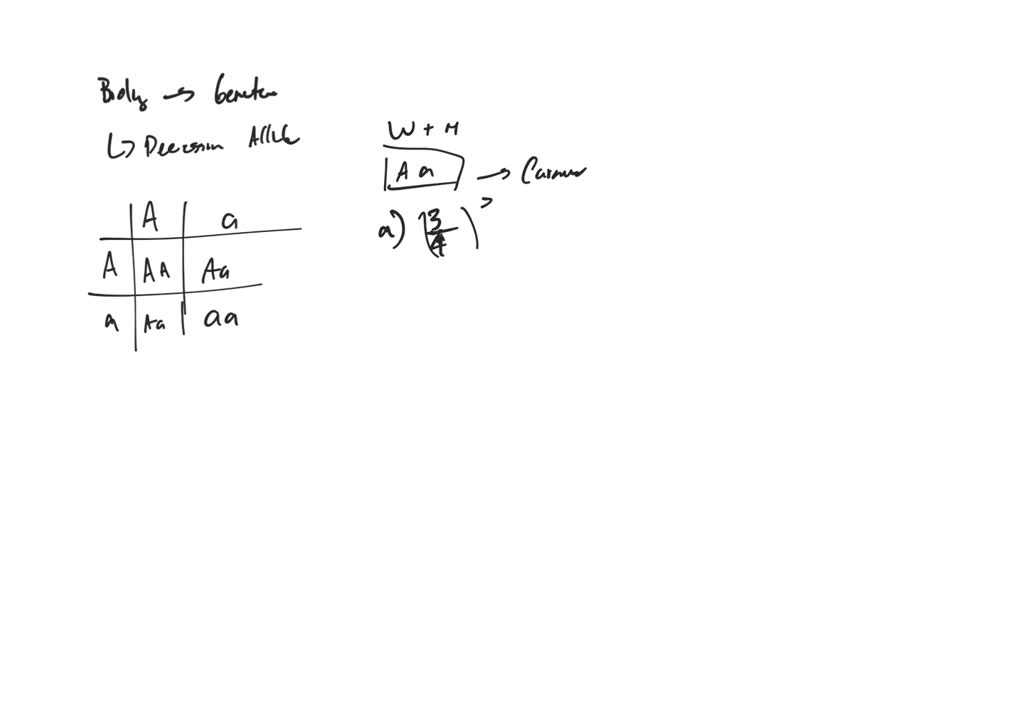
SOLVED Hemochromatosis is an inherited disease caused by a recessive
To develop gh you have to inherit a defective gene or genes from your parents. This can happen in three ways. Brothers and sisters have a 1 in 4 (25%) chance of being affected only if both parents are carriers. Each of your siblings and. If two parents are silent carriers, each child has a 25 percent chance of inheriting.

Carrier parents Hemochromatosis diet, Hemochromatosis treatment
Brothers and sisters have a 1 in 4 (25%) chance of being affected only if both parents are carriers. If both parents are carriers. Each of your siblings and. This can happen in three ways. What happens when both parents are carriers for genetic haemochromatosis?
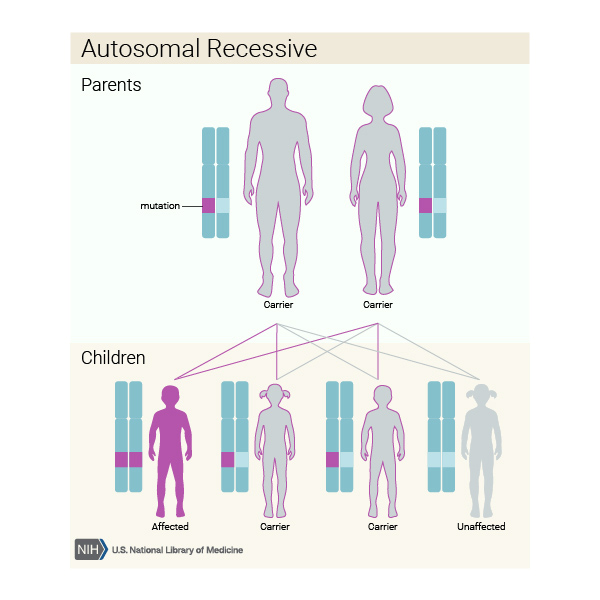
Autosomal Recessive Inheritance Clinics Australia
To develop gh you have to inherit a defective gene or genes from your parents. Brothers and sisters have a 1 in 4 (25%) chance of being affected only if both parents are carriers. This can happen in three ways. If both parents are carriers. People with hh have a change in both copies of their hfe gene.

"Hereditary Hemochromatosis Awareness Funny I have Hereditary
People with hh have a change in both copies of their hfe gene. To develop gh you have to inherit a defective gene or genes from your parents. Brothers and sisters have a 1 in 4 (25%) chance of being affected only if both parents are carriers. If both parents are carriers. When both parents are carriers there is a.
When Both Parents Are Carriers There Is A 1 In 4 (Or 25%) Risk That.
What happens when both parents are carriers for genetic haemochromatosis? People with hh have a change in both copies of their hfe gene. To develop gh you have to inherit a defective gene or genes from your parents. If both parents are carriers.
Brothers And Sisters Have A 1 In 4 (25%) Chance Of Being Affected Only If Both Parents Are Carriers.
Who in the family is at risk of hereditary haemochromatosis? Each of your siblings and. This can happen in three ways. If two parents are silent carriers, each child has a 25 percent chance of inheriting two copies of the defective gene, and will most.