What Is The Past Form Of Be - It has more forms in the present and past. The past tense of be is was. We can use the past simple of the verb to be to talk about situations and states in the past. What's the past tense of be? ‘ to be ’ can be an auxiliary verb and lexical (main) verb. It will be dark soon. We use the infinitive form be with modal verbs: Here's the word you're looking for.
It has more forms in the present and past. The past tense of be is was. Here's the word you're looking for. What's the past tense of be? ‘ to be ’ can be an auxiliary verb and lexical (main) verb. We use the infinitive form be with modal verbs: It will be dark soon. We can use the past simple of the verb to be to talk about situations and states in the past.
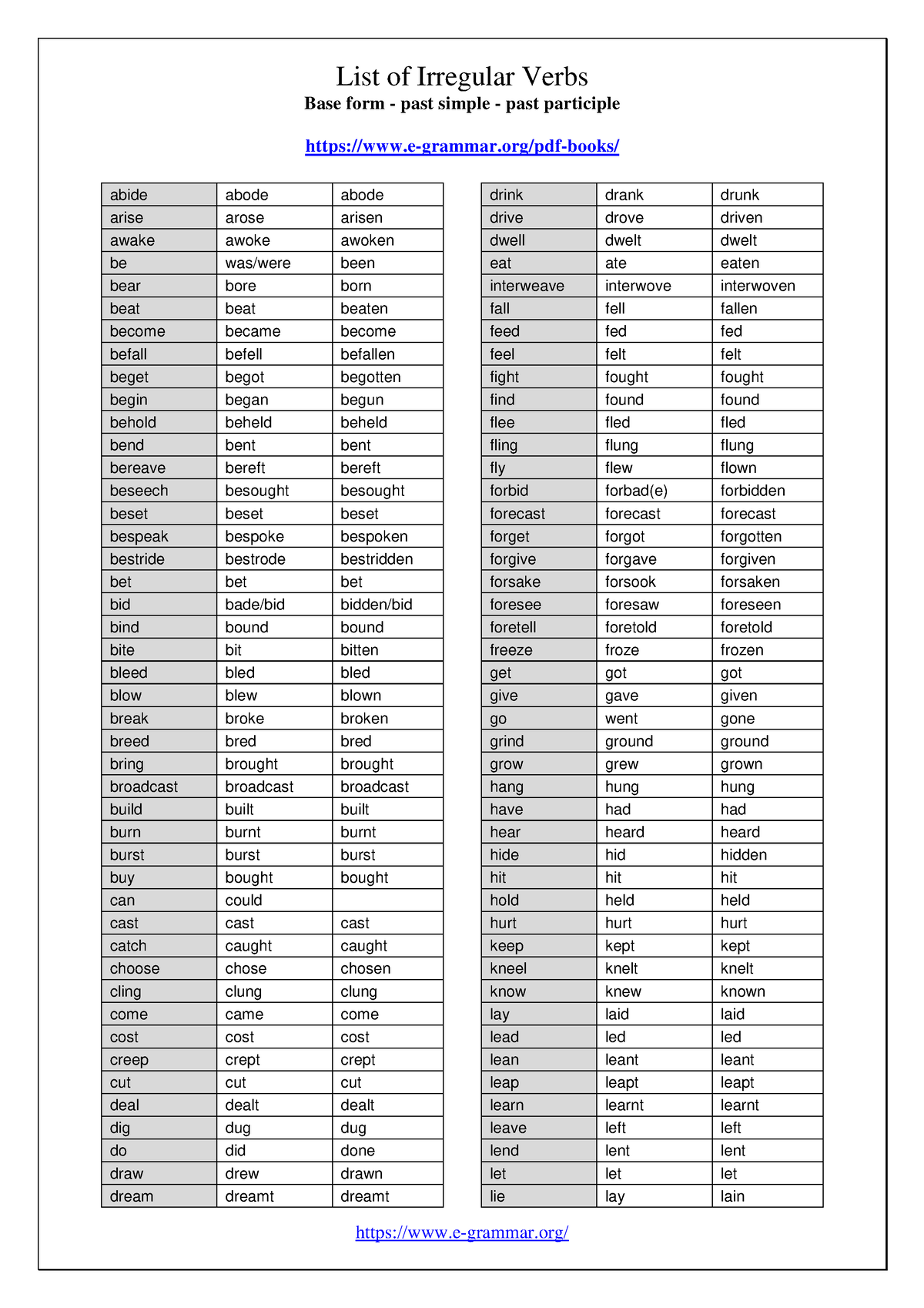
Irregular Verbs Past Form List of Irregular Verbs Base form past
Here's the word you're looking for. What's the past tense of be? We use the infinitive form be with modal verbs: We can use the past simple of the verb to be to talk about situations and states in the past. The past tense of be is was.
Past Form/Verb to Be Missing word
We can use the past simple of the verb to be to talk about situations and states in the past. The past tense of be is was. ‘ to be ’ can be an auxiliary verb and lexical (main) verb. Here's the word you're looking for. It will be dark soon.

Be Past Simple Simple Past Tense Of Be Past Participle V1 V2 V3 Form
We can use the past simple of the verb to be to talk about situations and states in the past. It will be dark soon. Here's the word you're looking for. We use the infinitive form be with modal verbs: What's the past tense of be?

Past Tense vs Past Participle What's the Difference?
What's the past tense of be? It has more forms in the present and past. We can use the past simple of the verb to be to talk about situations and states in the past. ‘ to be ’ can be an auxiliary verb and lexical (main) verb. We use the infinitive form be with modal verbs:

Past Tense Regular Verbs And Irregular Verbs Matching, 55 OFF
We use the infinitive form be with modal verbs: ‘ to be ’ can be an auxiliary verb and lexical (main) verb. Here's the word you're looking for. It has more forms in the present and past. We can use the past simple of the verb to be to talk about situations and states in the past.

PAST FORM OF THE VERB TO BE (WAS W… Español ELE hojas de trabajo pdf
Here's the word you're looking for. It has more forms in the present and past. The past tense of be is was. ‘ to be ’ can be an auxiliary verb and lexical (main) verb. We can use the past simple of the verb to be to talk about situations and states in the past.
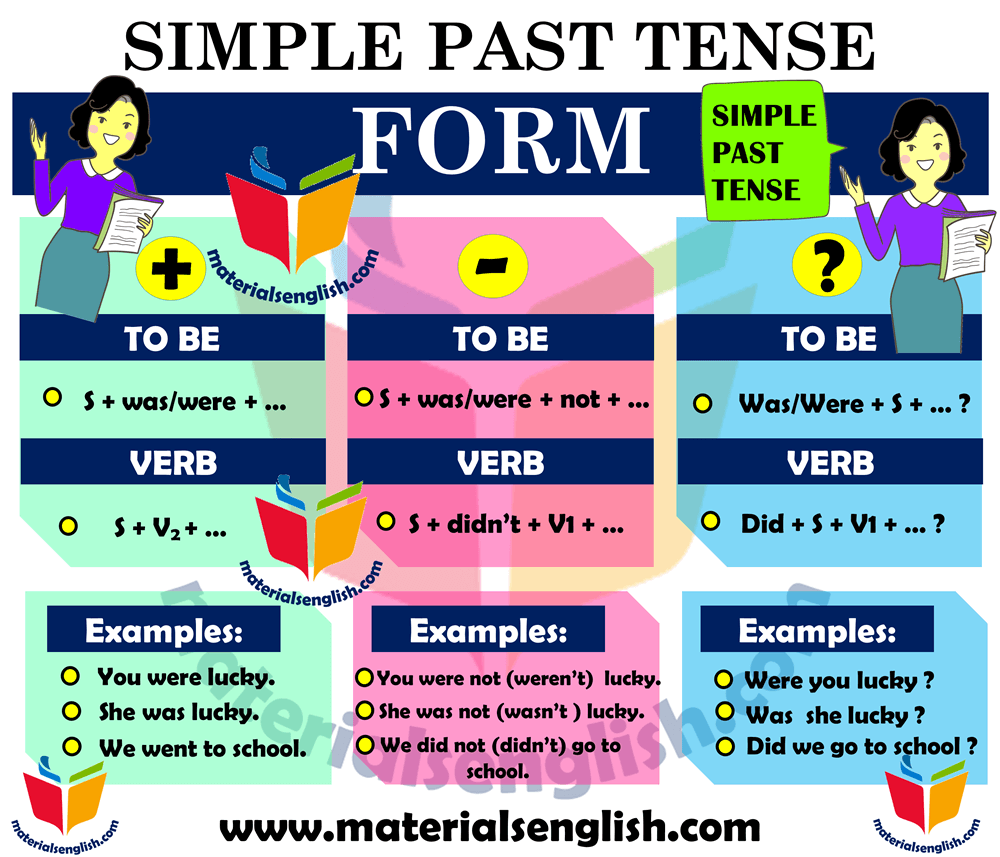
Simple Past Tense Form Materials For Learning English
The past tense of be is was. It has more forms in the present and past. We can use the past simple of the verb to be to talk about situations and states in the past. What's the past tense of be? We use the infinitive form be with modal verbs:
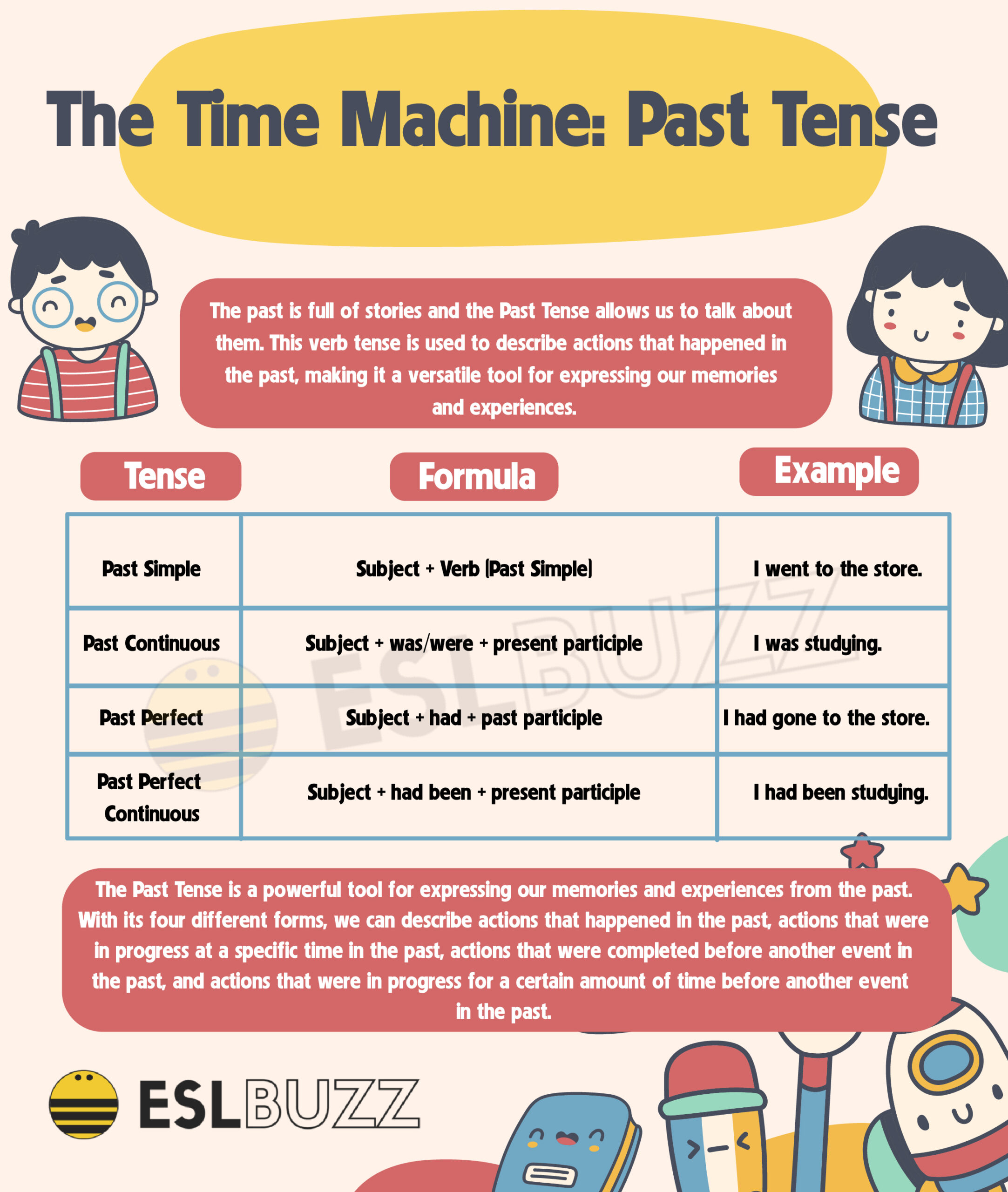
Mastering Past Tense A Beginner's Guide to English Grammar ESLBUZZ
We can use the past simple of the verb to be to talk about situations and states in the past. The past tense of be is was. Here's the word you're looking for. ‘ to be ’ can be an auxiliary verb and lexical (main) verb. We use the infinitive form be with modal verbs:

SOLUTION List of irregular verbs base form past simple past participle
The past tense of be is was. It will be dark soon. We can use the past simple of the verb to be to talk about situations and states in the past. ‘ to be ’ can be an auxiliary verb and lexical (main) verb. We use the infinitive form be with modal verbs:
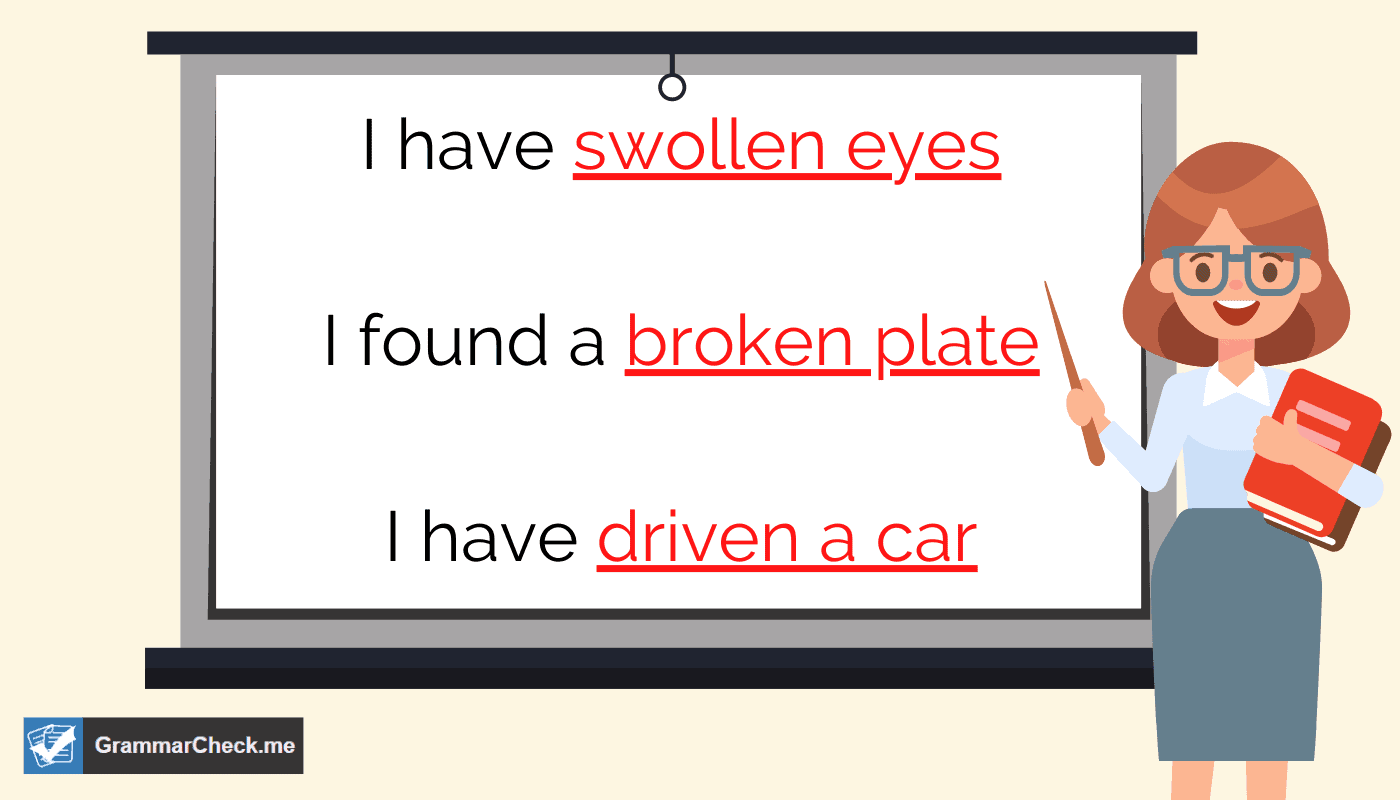
Past Tense vs Past Participle What's the Difference?
It will be dark soon. ‘ to be ’ can be an auxiliary verb and lexical (main) verb. We can use the past simple of the verb to be to talk about situations and states in the past. We use the infinitive form be with modal verbs: It has more forms in the present and past.
It Has More Forms In The Present And Past.
The past tense of be is was. It will be dark soon. ‘ to be ’ can be an auxiliary verb and lexical (main) verb. Here's the word you're looking for.
We Use The Infinitive Form Be With Modal Verbs:
We can use the past simple of the verb to be to talk about situations and states in the past. What's the past tense of be?