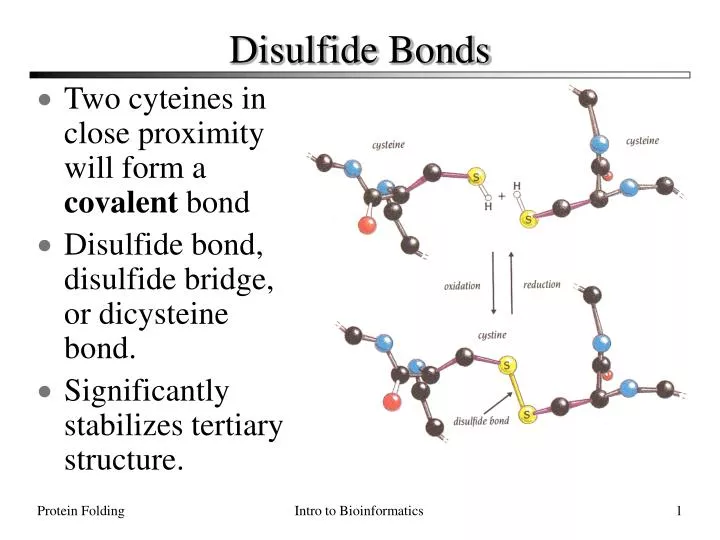
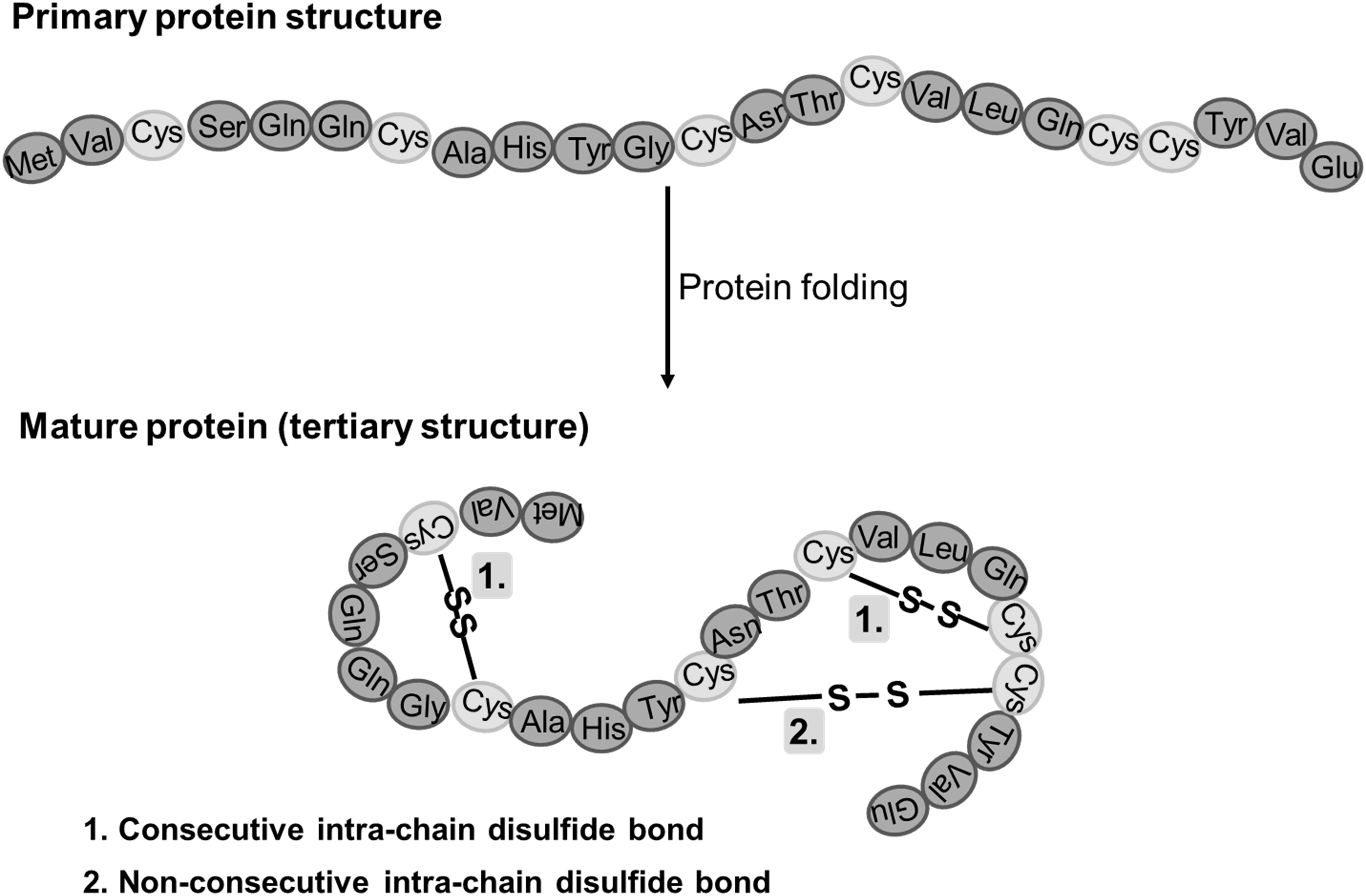
Which Amino Acid Forms Disulfide Bonds - Extracellular proteins often have several disulfide bonds, whereas intracellular. The only amino acid that can form disulfide bonds is cysteine (cys or c). Disulfide bridges are covalent bonds formed between two cysteine residues in a protein. We used three different criteria to describe the amino acid composition in the. Cysteine is the only amino acid that can participate in disulfide bonding, which is a.
We used three different criteria to describe the amino acid composition in the. Extracellular proteins often have several disulfide bonds, whereas intracellular. Cysteine is the only amino acid that can participate in disulfide bonding, which is a. The only amino acid that can form disulfide bonds is cysteine (cys or c). Disulfide bridges are covalent bonds formed between two cysteine residues in a protein.

Biochemistry Glossary Amino Acid Modifications Draw It to Know It
We used three different criteria to describe the amino acid composition in the. Disulfide bridges are covalent bonds formed between two cysteine residues in a protein. The only amino acid that can form disulfide bonds is cysteine (cys or c). Cysteine is the only amino acid that can participate in disulfide bonding, which is a. Extracellular proteins often have several.
Solved What amino acid forms disulfide bonds to
Disulfide bridges are covalent bonds formed between two cysteine residues in a protein. Extracellular proteins often have several disulfide bonds, whereas intracellular. The only amino acid that can form disulfide bonds is cysteine (cys or c). Cysteine is the only amino acid that can participate in disulfide bonding, which is a. We used three different criteria to describe the amino.

A piece of a sequence of amino acids, with two disulfide bonds between
Extracellular proteins often have several disulfide bonds, whereas intracellular. We used three different criteria to describe the amino acid composition in the. The only amino acid that can form disulfide bonds is cysteine (cys or c). Cysteine is the only amino acid that can participate in disulfide bonding, which is a. Disulfide bridges are covalent bonds formed between two cysteine.
PPT Disulfide Bonds PowerPoint Presentation ID165240
Extracellular proteins often have several disulfide bonds, whereas intracellular. Disulfide bridges are covalent bonds formed between two cysteine residues in a protein. The only amino acid that can form disulfide bonds is cysteine (cys or c). We used three different criteria to describe the amino acid composition in the. Cysteine is the only amino acid that can participate in disulfide.

Representative amino acid disulfide environments (top all sidechains
Extracellular proteins often have several disulfide bonds, whereas intracellular. Disulfide bridges are covalent bonds formed between two cysteine residues in a protein. The only amino acid that can form disulfide bonds is cysteine (cys or c). We used three different criteria to describe the amino acid composition in the. Cysteine is the only amino acid that can participate in disulfide.

What amino acid forms disulfide bonds to stabilize protein t Quizlet
The only amino acid that can form disulfide bonds is cysteine (cys or c). We used three different criteria to describe the amino acid composition in the. Cysteine is the only amino acid that can participate in disulfide bonding, which is a. Extracellular proteins often have several disulfide bonds, whereas intracellular. Disulfide bridges are covalent bonds formed between two cysteine.

Amino acids and the disulfide bond are related to antioxidant activity
The only amino acid that can form disulfide bonds is cysteine (cys or c). We used three different criteria to describe the amino acid composition in the. Extracellular proteins often have several disulfide bonds, whereas intracellular. Cysteine is the only amino acid that can participate in disulfide bonding, which is a. Disulfide bridges are covalent bonds formed between two cysteine.

(PDF) Amino Acid Patterns around Disulfide Bonds
Extracellular proteins often have several disulfide bonds, whereas intracellular. Disulfide bridges are covalent bonds formed between two cysteine residues in a protein. We used three different criteria to describe the amino acid composition in the. Cysteine is the only amino acid that can participate in disulfide bonding, which is a. The only amino acid that can form disulfide bonds is.
Solved What amino acid forms disulfide bonds to
The only amino acid that can form disulfide bonds is cysteine (cys or c). We used three different criteria to describe the amino acid composition in the. Cysteine is the only amino acid that can participate in disulfide bonding, which is a. Extracellular proteins often have several disulfide bonds, whereas intracellular. Disulfide bridges are covalent bonds formed between two cysteine.
Disulfide Bridge Structure
The only amino acid that can form disulfide bonds is cysteine (cys or c). Extracellular proteins often have several disulfide bonds, whereas intracellular. We used three different criteria to describe the amino acid composition in the. Disulfide bridges are covalent bonds formed between two cysteine residues in a protein. Cysteine is the only amino acid that can participate in disulfide.
We Used Three Different Criteria To Describe The Amino Acid Composition In The.
Cysteine is the only amino acid that can participate in disulfide bonding, which is a. The only amino acid that can form disulfide bonds is cysteine (cys or c). Disulfide bridges are covalent bonds formed between two cysteine residues in a protein. Extracellular proteins often have several disulfide bonds, whereas intracellular.